

2011 Marcel Deiss Altenberg de Bergheim Grand Cru

| Type of Wine | White |
|---|---|
| Country | France |
| Region | |
| Winery | |
| Vintage | 2011 |
| Grape | , Pinot Blanc, Pinot Gris, , |
| Content (Alc) | 0.75 ltr (13.5%) |
| Drink window | 2015 - 2040 |
Description
Marcel Deiss - the undisputed guru in the field of field blends from Alsace. Jean-Michel Deiss is a special, idiosyncratic winemaker who makes exceptional wines. Biodynamics and terroir expression go hand in hand and "The vineyard comes before the grape variety", is his firm belief and this Altenberg de Bergheim Grandcru is the extreme example of a field blend. A very old vineyard where all the traditional grape varieties from Alsace are found and from this icon is made.
Terroir as conductor is how they describe the Altenberg de Bergheim Grand Cru. The wine has an impressive color - ochre yellow, chocolate reflections, sunset. With your eyes closed, the nose has some aromas of red wine (!), dense and filling, juicy hint of cedar, gradually going up to melon, peach and mandarin, candied lemon, finally honey. Glorious aromatic finish. Can drink for itself. But this sweet wine goes perfectly with foie gras.
The Altenberg de Bergheim Grand Cru is without a doubt the most concentrated Altenberg where acidity plays the most central role. Altenberg was the first great terroir of Alsace (of modern times), which saw the recognition in 2005 of its specific typicity, its particular production conditions, the diversity of its grape varieties (all AOC Alsace grape varieties used in precise proportions) and the richness of its harvest, with an unparalleled regularity therefore an official Grand Cru. The return to the ancestral practice of a vineyard planted with all the traditional grape varieties and a single, unsorted harvest opens the Pandora's box of the "Grand Vin" for Altenberg: the terroir becomes the conductor that controls and inspires all the players (rootstock and grape varieties, all the conditions of the vintage and even the winegrower!) in the service of a single score: the pure expression of the terroir, the balanced symphony of the Grand Vin. This synthetic wine then revives the ancient Alsatian tradition of wines to lie down and travel, which during the Middle Ages, the Renaissance and until the end of the 13th century made possible the gigantic cultural effort of the Rhine of which modern Alsace is the result.
A CLIMATE.
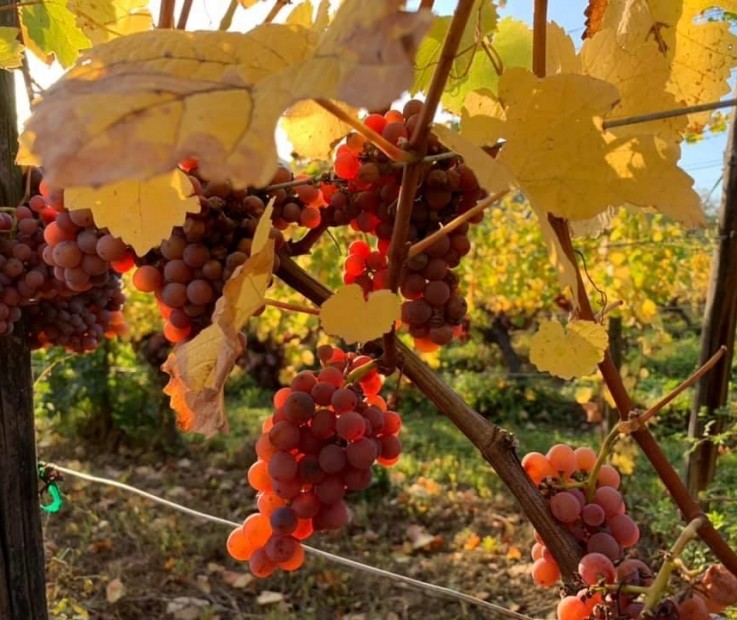
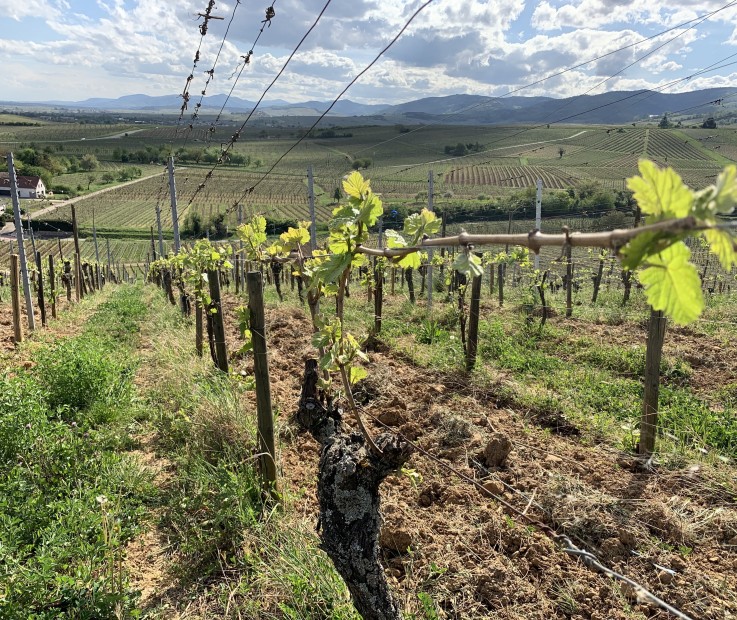
This majestic terroir is located in the heart of a field that combines hard Jurassic limestone and Lias marl. These fossil-rich formations have formed a poor, red (ferrous) clay-limestone soil, rich in limestone rocks where the vine must dive deep to find its energy. The microclimate of the Altenberg, the result of its southern location, its distance from the Vosges front and its isolation from the Rhine plain, is terribly hot, dry and almost overexposed. The ripeness of the grapes, often enhanced by Noble Rot, is unusual and imposes the dominance of the terroir on the grape varieties planted.
ABOUT MARCEL DEISS
Domaine Marcel Deiss is one of the best producers in Alsace. The house was founded in 1947, but the history of the Deiss family in wine growing goes back much further. The current owner and winemaker, Jean-Michel Deiss, very explicitly opts for a terroir philosophy. About 40 years ago he changed course to completely choose his own path in the wine market that was then focused on grape varieties. According to him, this way of wine growing, in which entire hectares of vineyard are planted with a single grape variety, results in characterless wines and unhealthy vineyards. The trick is to capture the enormous diversity of this special wine region, with all its subclimates and soil compositions, in the wines. “The vineyard comes before the grape variety”, is his firm conviction....................... Read more under the Tab/Link: Winery
VINEYARD ALTENBERG
Specifications
| Block Bundle Options | No |
|---|---|
| Type of Wine | White |
| Country | France |
| Region | Alsace |
| Winery | Marcel Deiss |
| Grape | Gewurztraminer, Pinot Blanc, Pinot Gris, Pinot Noir, Riesling |
| Biological certified | Yes |
| Natural wine | No |
| Vegan | No |
| Vintage | 2011 |
| Drinking as of | 2015 |
| Drinking till | 2040 |
| Alcohol % | 13.5 |
| Alcohol free/low | No |
| Content | 0.75 ltr |
| Oak aging | Yes |
| Sparkling | No |
| Dessert wine | Yes |
| Closure | Cork |
| Parker rating | 92 |
| Tasting Profiles | Aromatic, Fruity, Spicy, Lightly sweet, Round, Full, White fruit |
| Drink moments | Borrelen, Met vrienden, Summer party, Terras, Voor alledag |
Professional Reviews
Parker
Lorem ipsum dolor sit amet, consectetur adipiscing elit. Sed do eiusmod tempor incididunt ut labore et dolore magna aliqua...
Exclusive Content
Sign in to unlock professional wine reviews from world-renowned critics
Wijnhuis
Domaine Marcel Deiss is one of the best producers in Alsace. The house was founded in 1947, but the history of the Deiss family in viticulture goes back much further. The current owner and winemaker, Jean-Michel Deiss, emphatically opts for a terroir philosophy. About 40 years ago he changed course to completely choose his own path in the grape variety-oriented wine market at that time. This way of viticulture, in which entire hectares of vineyards are planted with a single grape variety, creates characterless wines and unhealthy vineyards, according to him. It is precisely the art of capturing the enormous diversity of this special wine region, with all its sub-climates and soil compositions, in the wines.
“The vineyard takes precedence over the grape variety”, is his firm conviction. That is why he planted grape varieties in various vineyards together (complantation), as the winegrowers used to do. This promotes biodiversity in the vineyard: the different grape varieties reinforce and support each other. Other local crops, trees and shrubs in and around the vineyards provide even greater biodiversity. In the vineyards, work is done manually as much as possible and according to biodynamic principles. Vertical growth of the roots is stimulated as much as possible: the deeper the roots go into the soil, the more nutrients and characteristics of the vineyard the vines can absorb.
Deiss distinguishes between the 'vins de fruits' and the 'vins de terroirs'. The first group often concerns varietal wines that are extremely pure, have a high concentration and clearly reflect the vintage. The terroir wines are the regional, communal or vineyard wines, where the wine is much more influenced by the terroir than by a grape variety. These wines are made from at least 3 grape varieties, but sometimes from 13 varieties. The wines can differ greatly per terroir and per vintage. The winemaking philosophy is simple: intervene as little as possible so that the terroir speaks fully. "The wine has to 'form' itself and needs only the most necessary support from the winemaker," says Jean-Michel. Deiss wines excel through precision, concentration and a wonderfully soft mouthfeel. Despite Jean-Michel's specific views, the wines cannot be called 'difficult', and they therefore have a wide range of enthusiasts.
Marcel Deiss - the undisputed guru in the field of field blends from Alsace. Jean-Michel Deiss is a special, idiosyncratic winemaker who makes exceptional wines. Biodynamics and terroir expression go hand in hand and "The vineyard comes before the grape variety", is his firm belief and this Altenberg de Bergheim Grandcru is the extreme example of a field blend. A very old vineyard where all the traditional grape varieties from Alsace are found and from this icon is made.
Terroir as conductor is how they describe the Altenberg de Bergheim Grand Cru. The wine has an impressive color - ochre yellow, chocolate reflections, sunset. With your eyes closed, the nose has some aromas of red wine (!), dense and filling, juicy hint of cedar, gradually going up to melon, peach and mandarin, candied lemon, finally honey. Glorious aromatic finish. Can drink for itself. But this sweet wine goes perfectly with foie gras.
The Altenberg de Bergheim Grand Cru is without a doubt the most concentrated Altenberg where acidity plays the most central role. Altenberg was the first great terroir of Alsace (of modern times), which saw the recognition in 2005 of its specific typicity, its particular production conditions, the diversity of its grape varieties (all AOC Alsace grape varieties used in precise proportions) and the richness of its harvest, with an unparalleled regularity therefore an official Grand Cru. The return to the ancestral practice of a vineyard planted with all the traditional grape varieties and a single, unsorted harvest opens the Pandora's box of the "Grand Vin" for Altenberg: the terroir becomes the conductor that controls and inspires all the players (rootstock and grape varieties, all the conditions of the vintage and even the winegrower!) in the service of a single score: the pure expression of the terroir, the balanced symphony of the Grand Vin. This synthetic wine then revives the ancient Alsatian tradition of wines to lie down and travel, which during the Middle Ages, the Renaissance and until the end of the 13th century made possible the gigantic cultural effort of the Rhine of which modern Alsace is the result.
A CLIMATE.
This majestic terroir is located in the heart of a field that combines hard Jurassic limestone and Lias marl. These fossil-rich formations have formed a poor, red (ferrous) clay-limestone soil, rich in limestone rocks where the vine must dive deep to find its energy. The microclimate of the Altenberg, the result of its southern location, its distance from the Vosges front and its isolation from the Rhine plain, is terribly hot, dry and almost overexposed. The ripeness of the grapes, often enhanced by Noble Rot, is unusual and imposes the dominance of the terroir on the grape varieties planted.
ABOUT MARCEL DEISS
Domaine Marcel Deiss is one of the best producers in Alsace. The house was founded in 1947, but the history of the Deiss family in wine growing goes back much further. The current owner and winemaker, Jean-Michel Deiss, very explicitly opts for a terroir philosophy. About 40 years ago he changed course to completely choose his own path in the wine market that was then focused on grape varieties. According to him, this way of wine growing, in which entire hectares of vineyard are planted with a single grape variety, results in characterless wines and unhealthy vineyards. The trick is to capture the enormous diversity of this special wine region, with all its subclimates and soil compositions, in the wines. “The vineyard comes before the grape variety”, is his firm conviction....................... Read more under the Tab/Link: Winery
VINEYARD ALTENBERG
| Block Bundle Options | No |
|---|---|
| Type of Wine | White |
| Country | France |
| Region | Alsace |
| Winery | Marcel Deiss |
| Grape | Gewurztraminer, Pinot Blanc, Pinot Gris, Pinot Noir, Riesling |
| Biological certified | Yes |
| Natural wine | No |
| Vegan | No |
| Vintage | 2011 |
| Drinking as of | 2015 |
| Drinking till | 2040 |
| Alcohol % | 13.5 |
| Alcohol free/low | No |
| Content | 0.75 ltr |
| Oak aging | Yes |
| Sparkling | No |
| Dessert wine | Yes |
| Closure | Cork |
| Parker rating | 92 |
| Tasting Profiles | Aromatic, Fruity, Spicy, Lightly sweet, Round, Full, White fruit |
| Drink moments | Borrelen, Met vrienden, Summer party, Terras, Voor alledag |
Parker
Lorem ipsum dolor sit amet, consectetur adipiscing elit. Sed do eiusmod tempor incididunt ut labore et dolore magna aliqua...
Exclusive Content
Sign in to unlock professional wine reviews from world-renowned critics
Domaine Marcel Deiss is one of the best producers in Alsace. The house was founded in 1947, but the history of the Deiss family in viticulture goes back much further. The current owner and winemaker, Jean-Michel Deiss, emphatically opts for a terroir philosophy. About 40 years ago he changed course to completely choose his own path in the grape variety-oriented wine market at that time. This way of viticulture, in which entire hectares of vineyards are planted with a single grape variety, creates characterless wines and unhealthy vineyards, according to him. It is precisely the art of capturing the enormous diversity of this special wine region, with all its sub-climates and soil compositions, in the wines.
“The vineyard takes precedence over the grape variety”, is his firm conviction. That is why he planted grape varieties in various vineyards together (complantation), as the winegrowers used to do. This promotes biodiversity in the vineyard: the different grape varieties reinforce and support each other. Other local crops, trees and shrubs in and around the vineyards provide even greater biodiversity. In the vineyards, work is done manually as much as possible and according to biodynamic principles. Vertical growth of the roots is stimulated as much as possible: the deeper the roots go into the soil, the more nutrients and characteristics of the vineyard the vines can absorb.
Deiss distinguishes between the 'vins de fruits' and the 'vins de terroirs'. The first group often concerns varietal wines that are extremely pure, have a high concentration and clearly reflect the vintage. The terroir wines are the regional, communal or vineyard wines, where the wine is much more influenced by the terroir than by a grape variety. These wines are made from at least 3 grape varieties, but sometimes from 13 varieties. The wines can differ greatly per terroir and per vintage. The winemaking philosophy is simple: intervene as little as possible so that the terroir speaks fully. "The wine has to 'form' itself and needs only the most necessary support from the winemaker," says Jean-Michel. Deiss wines excel through precision, concentration and a wonderfully soft mouthfeel. Despite Jean-Michel's specific views, the wines cannot be called 'difficult', and they therefore have a wide range of enthusiasts.
 Follow the latest news about all our wines, promotions, and new selections.